
.png)


The studio fosters a collaborative approach to developing solutions that respond to the individual needs of our clients. The sharing of ideas and experiences enriches the design process – delivering better outcomes, meaningful solutions and a lasting benefit.
Each project begins with a conversation. Establishing a brief and shared understanding of the project aspirations is crucial to the success of the process. By working with clients to understand what matters and why, we lay the foundation for crafting design decisions.
Buildings do not occur in isolation. History, climate, context and statutory controls all influence the urban environment. With a combination of experience, analysis and a review of relevant precedents, the project parameters start to emerge.
Through the synthesis of the brief and background research, we begin to formalise a concept and work through sketch options, ideas and 3D models to start translating this into a spatial layout and form. After settling on a direction, this is further developed.
Armed with client feedback, a team of subject matter experts are consulted as the concept goes through a rigorous process of refinement and detailing. After all, matter, matters.
The culmination of countless of hours of ideation, sketching, modelling and documenting, the build is a dynamic process of managing expectations, budgets and the design intent to deliver a project that ultimately responds to the brief.
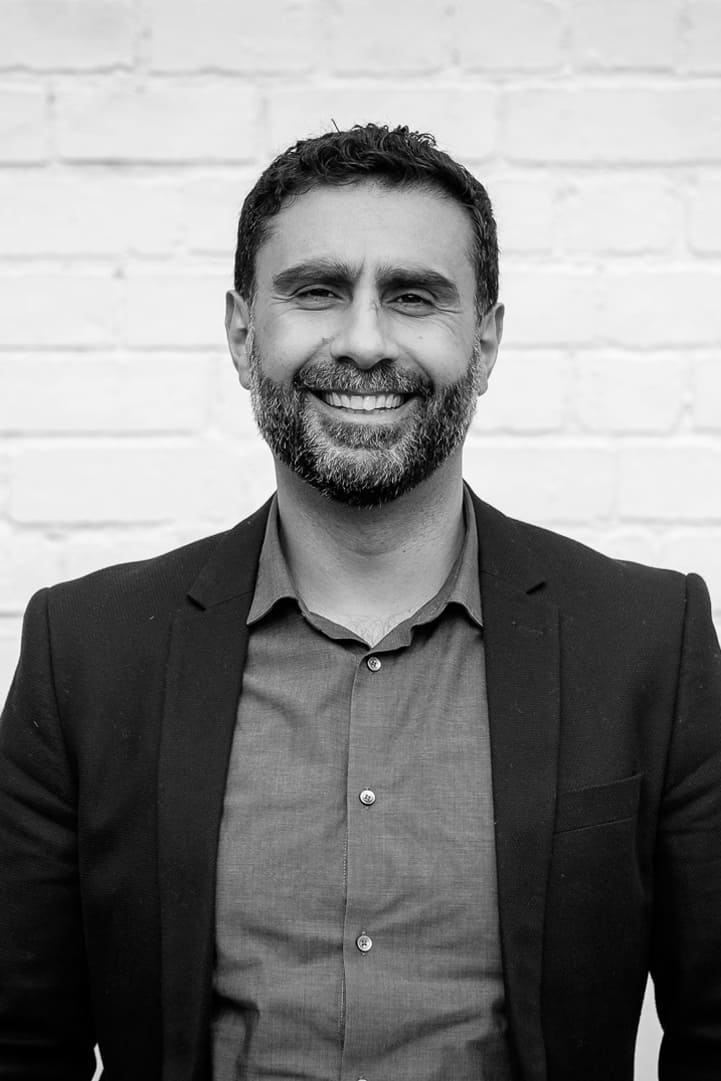
Khalid is the founder and director of Blur. With over
18 years of experience, Khalid has extensive
experience in the delivery of a broad range of
projects of varying scales across Melbourne.
Khalid’s skill set lies in his concept vision, creativity
and understanding of the construction implications
of design decisions.
Khalid also holds a permaculture design certificate
and has a particular interest in Islamic Architecture
and its application within a contemporary context.
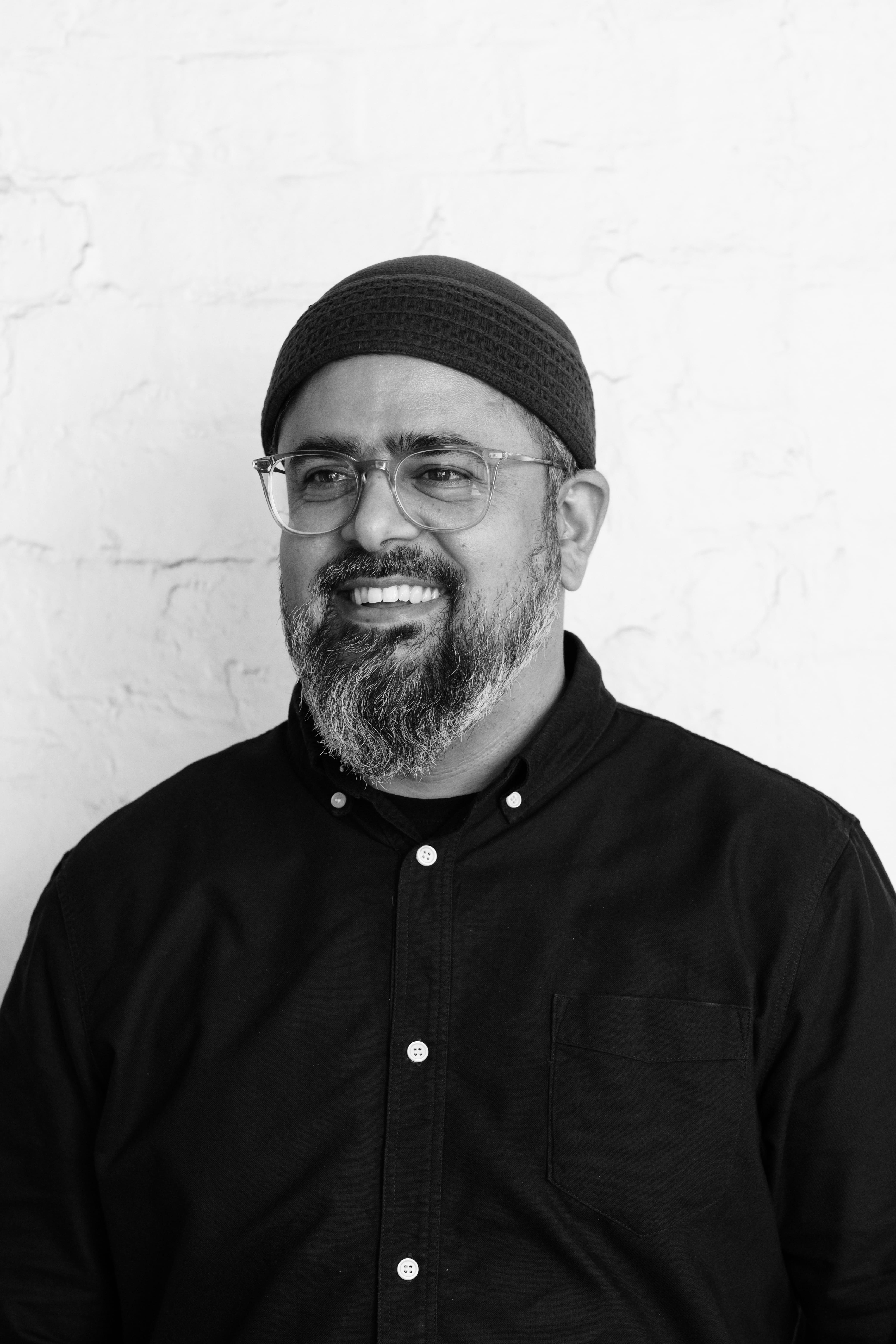
Ahmed is a director of Blur and a town planner with
15 years of experience across Queensland and
Victoria. Ahmed has coordinated and managed a
range of complex multi-residential, commercial,
community centre and education approvals.
In addition to his role as a town planner, Ahmed is a
qualified graphic designer and is an active
contributor to a range of community initiatives.

As an associate and head of design at Blur, Melissa
is a highly skilled designer with over 10 years of
experience in delivering mixed use, community,
childcare and multi-residential projects.
Melissa has an eye for detail and the arrangement
of spaces and prides herself on ensuring the user
experience is paramount in the design process.
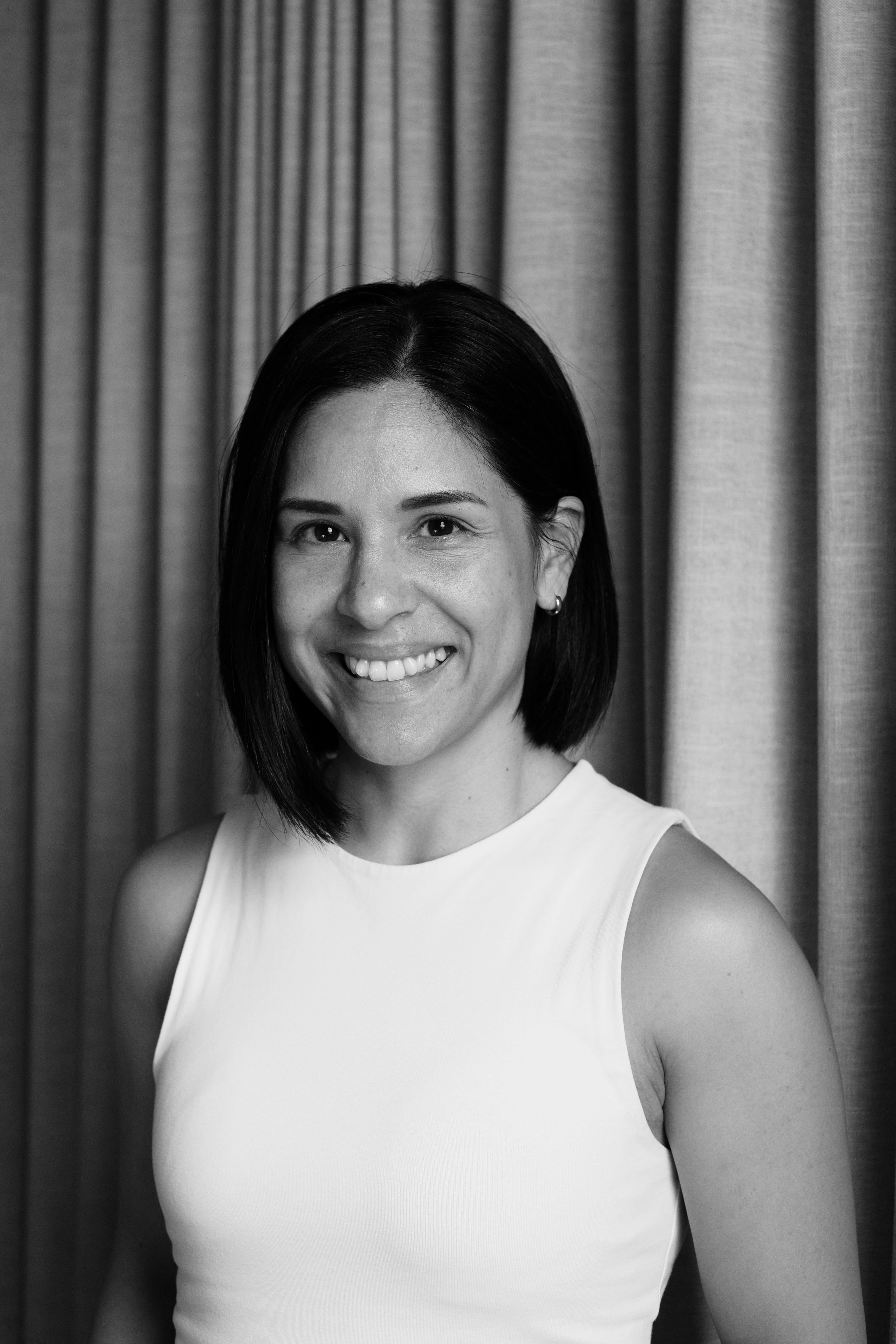
As head of interior design, Narita brings a wealth of
experience to Blur’s interiors team. Her strength
lies in creating sophisticated spaces that support
the architecture and make a thoughtful contribution
to the end user.
Narita is a multifaceted designer with a background
in jewellery and architecture - giving her a broad
appreciation of all things design and enriching her
role as a designer.
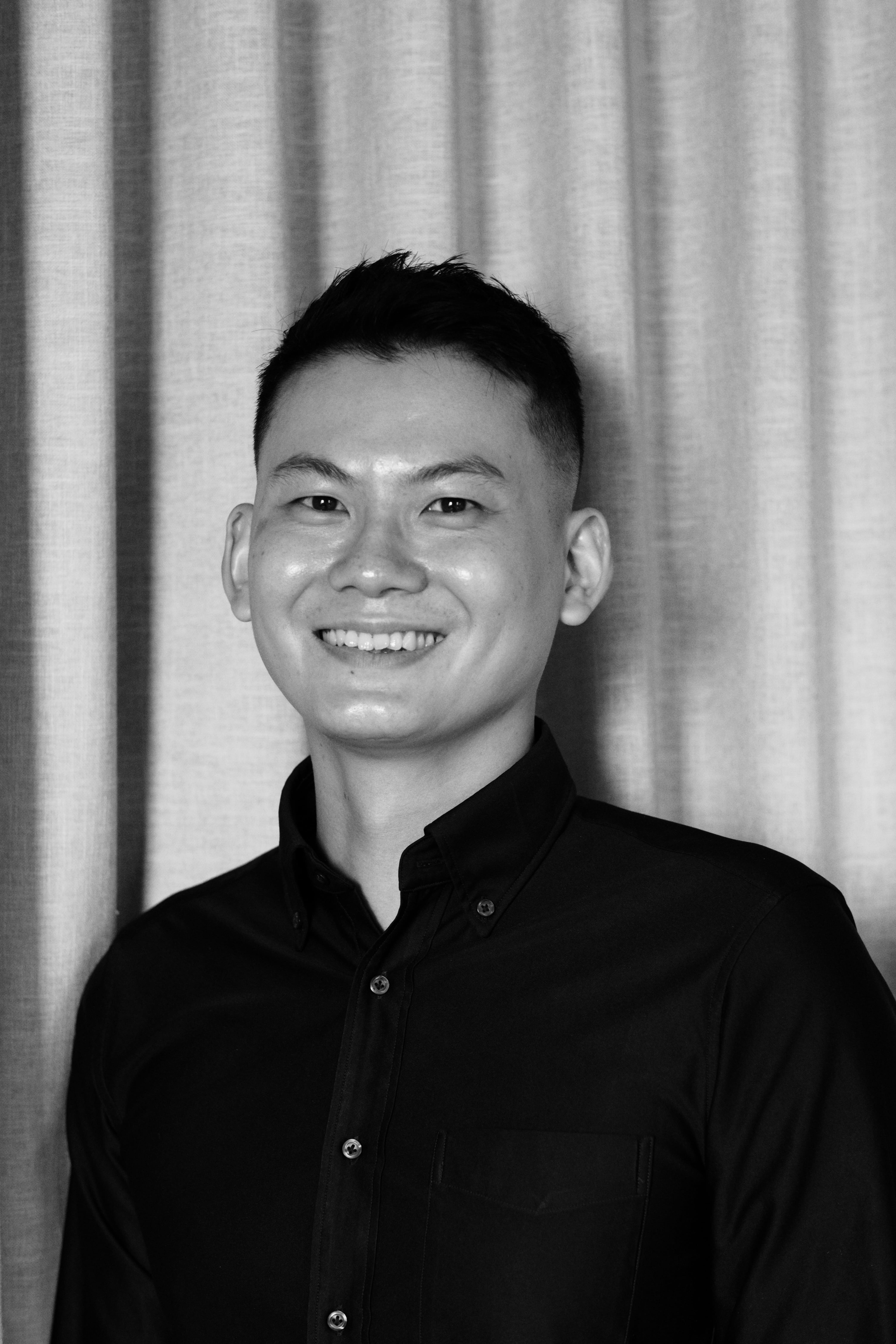
With over 10 years of experience, Suheri heads our
design development team and is responsible for
overseeing our construction documentation. His
expertise in the education sector regularly sees him
involved in coordinating and managing large
consultant teams for complex projects.
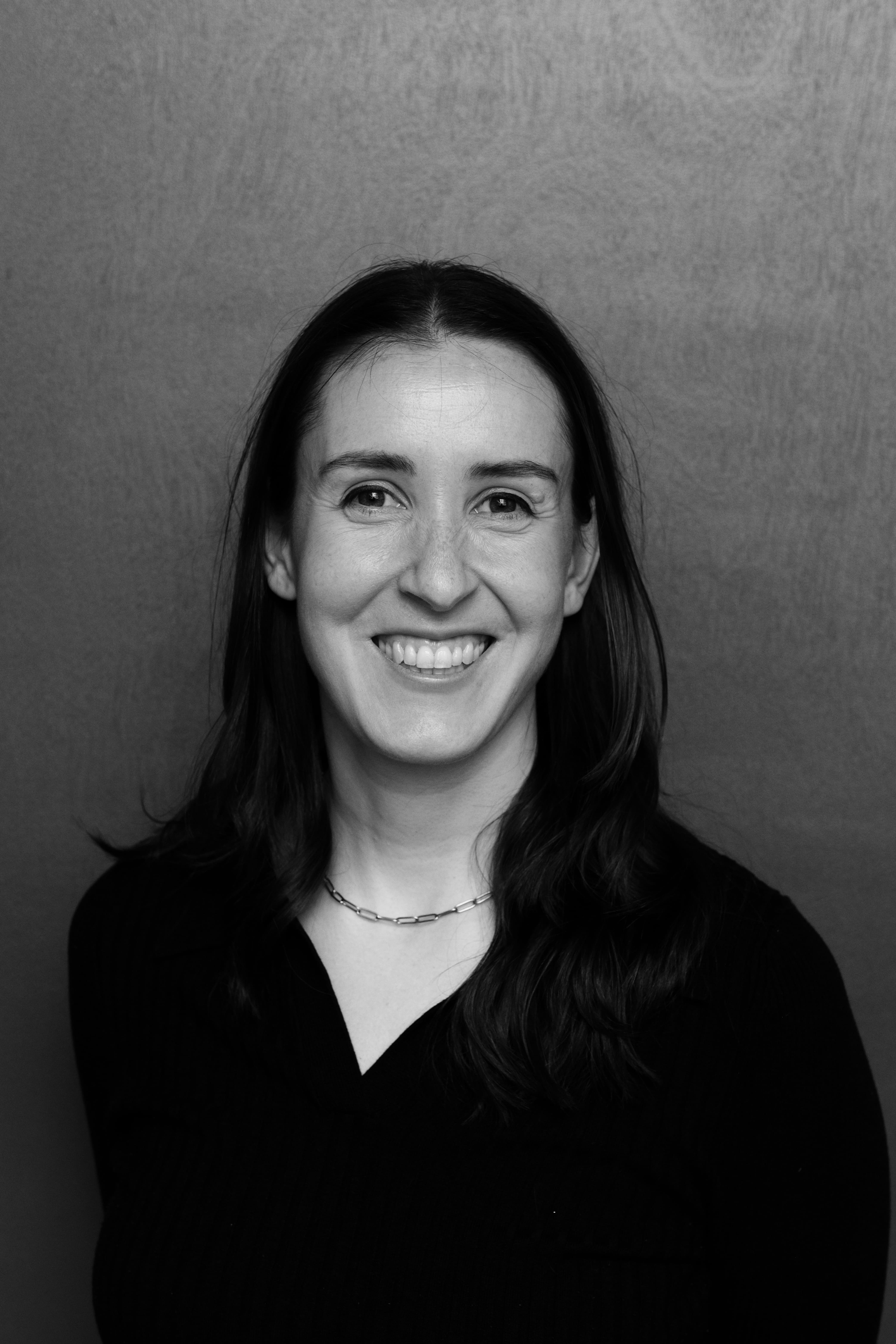
Alanna brings a wealth of experience in the design
of residential projects on highly complex and
constrained sites to her role. Working within the
design team, Alanna contributes to concepts on a
range of multi-residential, childcare and community
projects.
Alanna also enjoys connecting with nature through
camping, climbing and cycling.
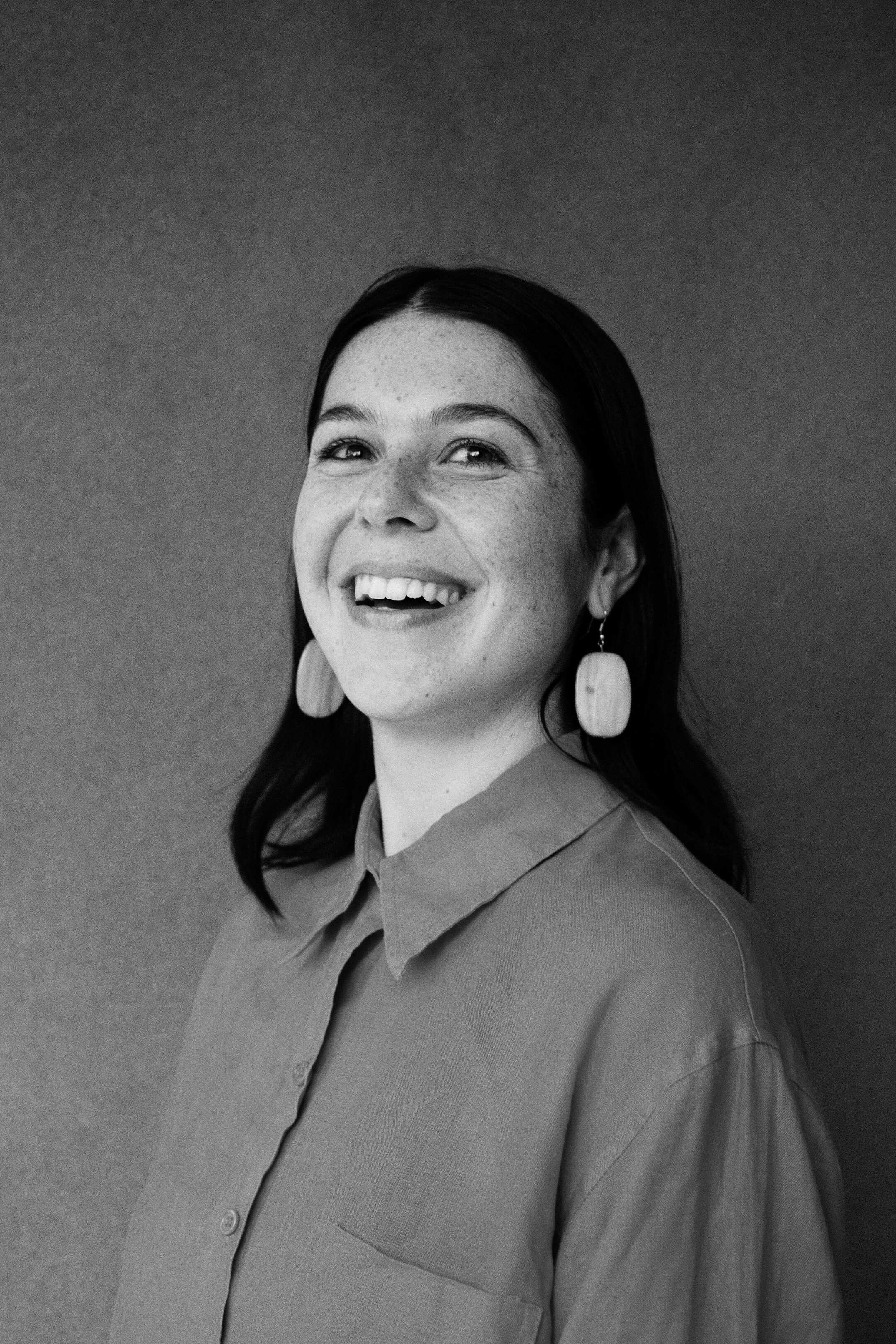
Since joining Blur as a student, Georgia has been
involved in a range of community, childcare,
education and multi-residential projects. Georgia
approaches architecture as a way of connecting
people, cultures and stories. She believes
thoughtful design can create spaces that feel
welcoming and inclusive, shaped by the diversity of
those who inhabit them.
Outside the studio, Georgia explores creativity
through photography, painting and knitting. Slow,
tactile practices that mirror her care and curiosity as
a designer.
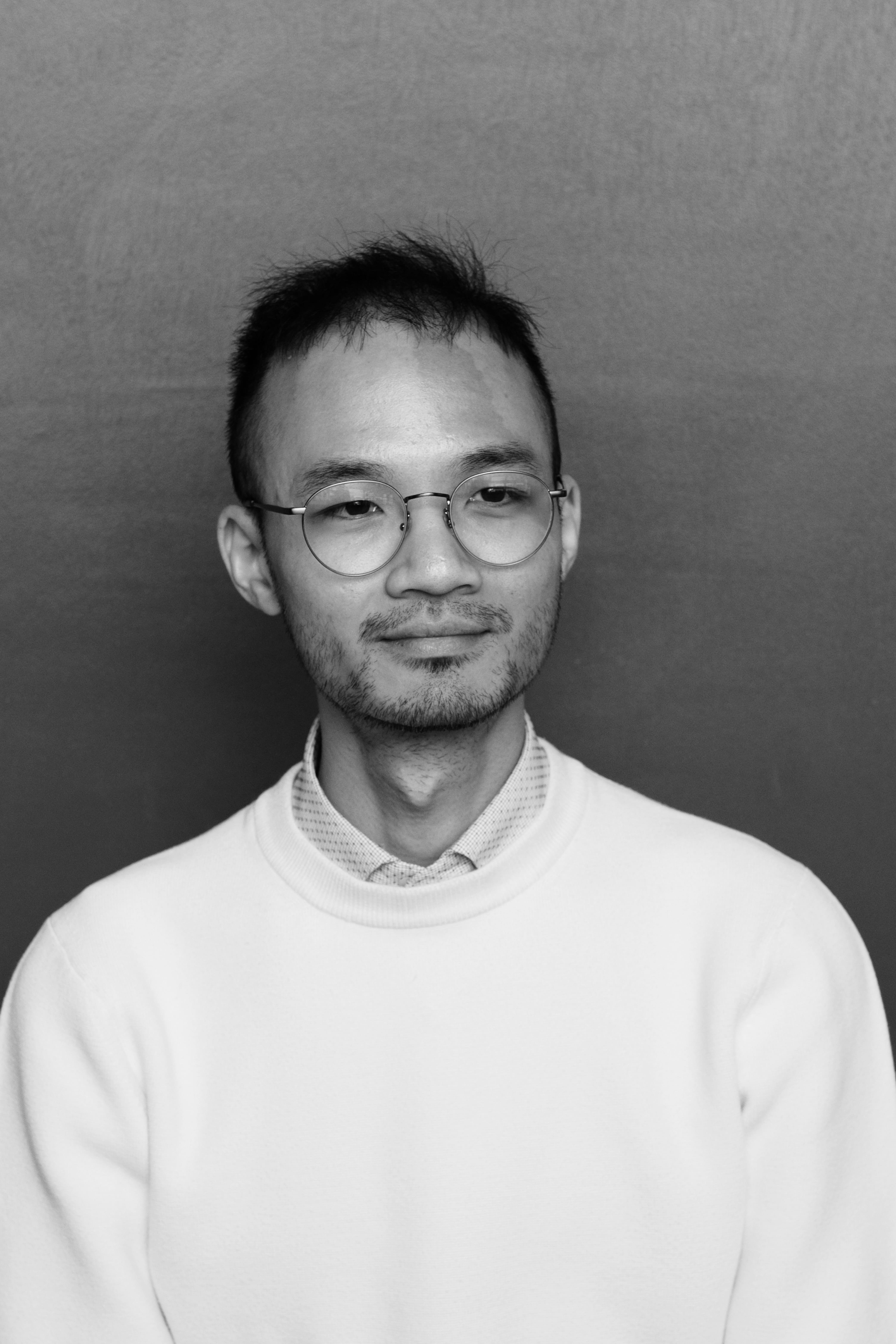
As a core part of our documentation team, Kai is
responsible for the design development and
documentation of single dwellings, multi-residential
and childcare projects. Kai has a keen eye for detail
and resolving complex designs to ensure they can
be delivered onsite.
Kai is passionate about design within the built
environment and is always exploring how
innovative ideas can shape our lived experience.
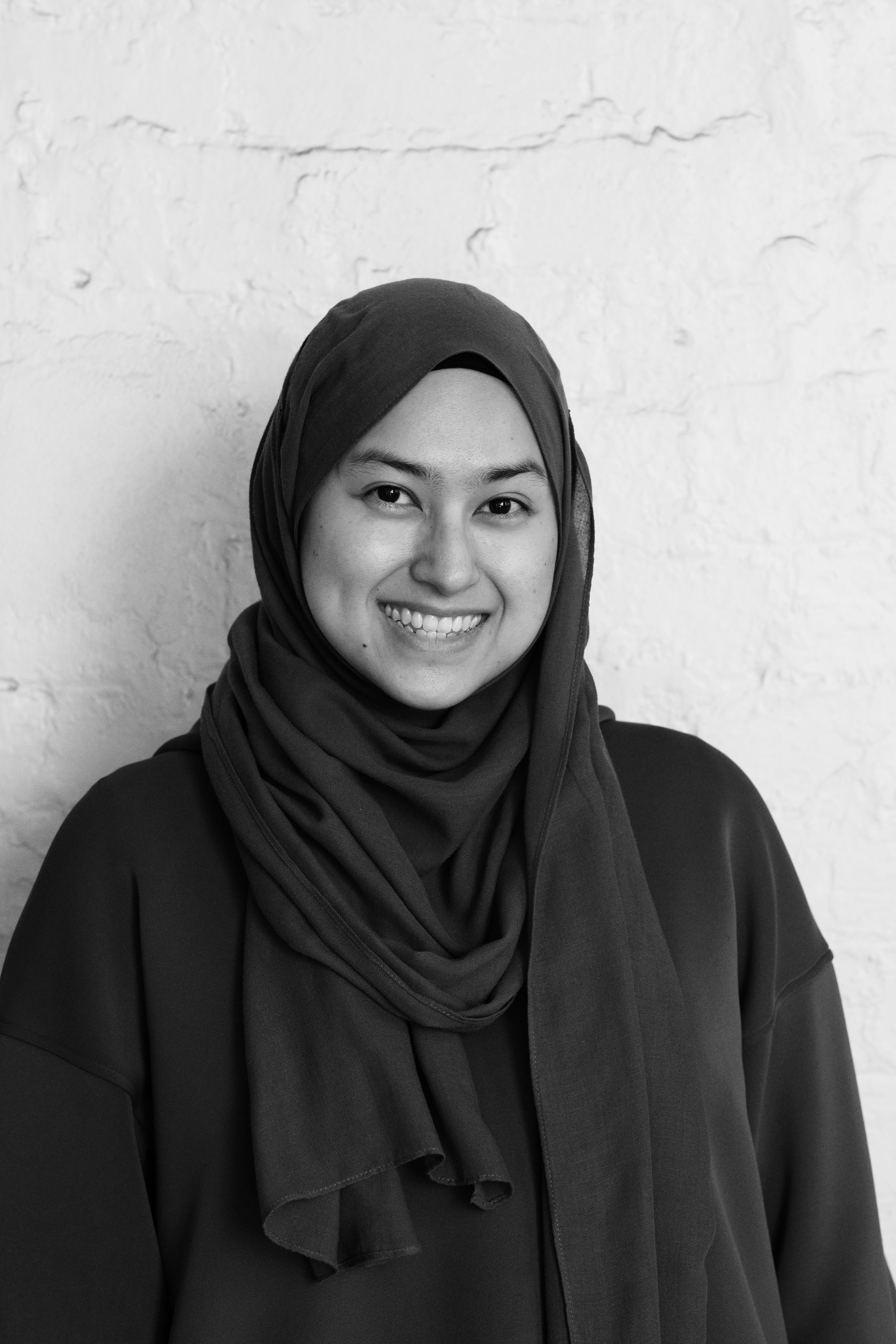
Having previously worked on high-end homes,
Uzhma brings her knowledge across all project
phases to Blur. Working with both our design and
documentation teams, Uzhma contributes on a
range of project typologies.
Uzhma is committed to exploring how architecture
can serve its purpose in strengthening communities
and is a founding member of a built environment
network that supports CALD communities.
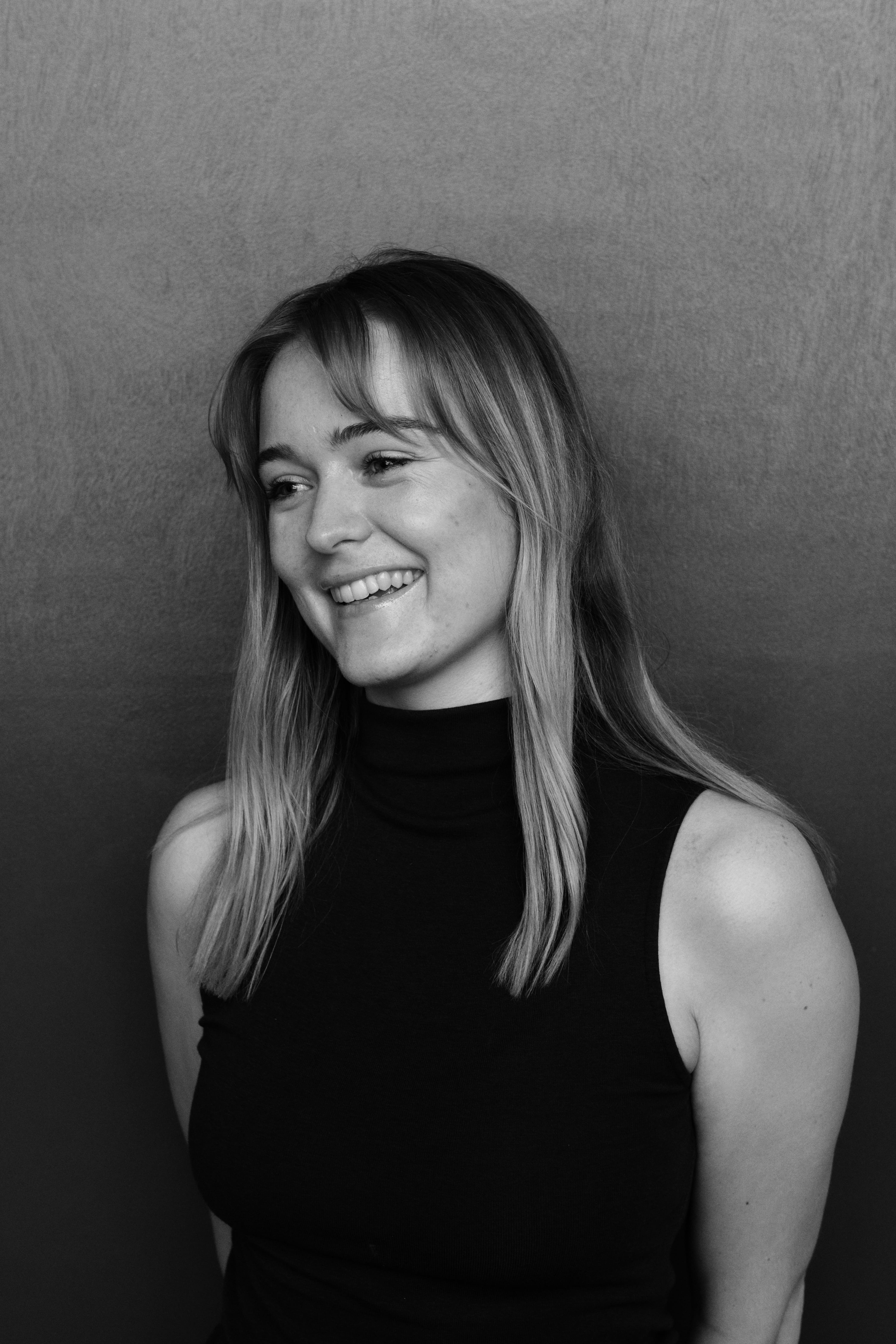
As an interior designer, Ruby’s project experience
spans across workplace, residential and hospitality
projects. Having previously worked with a boutique
colour studio and sustainability-focused firm, Ruby
brings a unique skillset to Blur and been involved in
projects from concept through to delivery.
Ruby is passionate about sustainable, impactful
and timeless design.
Basically, you can design anything that you can ever imagine. The main thing here is to have a parent container and two child elements. One for the FAQ question and another for FAQ answer. The child element for FAQ answer should be set to overflow: hidden and transform-origin set to top mid.
Basically, you can design anything that you can ever imagine. The main thing here is to have a parent container and two child elements. One for the FAQ question and another for FAQ answer. The child element for FAQ answer should be set to overflow: hidden and transform-origin set to top mid.
Basically, you can design anything that you can ever imagine. The main thing here is to have a parent container and two child elements. One for the FAQ question and another for FAQ answer. The child element for FAQ answer should be set to overflow: hidden and transform-origin set to top mid.